Cost Breakdown: Is the CMA Cheaper to Obtain Than the CPA?

I still recall a call from a client last year — a mid-level finance professional torn between pursuing the Certified Management Accountant (CMA) and the Certified Public Accountant (CPA) credentials. What struck me wasn’t just the typical career anxiety but the nagging question on their mind: “Which one is actually cheaper to get?” This question is far from trivial. Beyond exams and study hours, hidden costs, time investment, and career impact ripple through a candidate’s life.
In the current economic climate, professionals must be deliberate with their certification choices, weighing costs carefully. The upfront financial commitment isn’t just dollars; it’s months of disrupted routine, emotional strain, and opportunity cost. For many, the difference between CMA and CPA isn’t just about prestige or knowledge—it’s about a sustainable investment.
As 2025 unfolds, this article peels back the layers of costs associated with these two certifications, exploring direct fees, indirect expenses, and the human side of this crucial decision.
Why This Topic Matters in 2025
The financial world is evolving rapidly, yet certification costs remain a sticking point for many. According to the Institute of Management Accountants (IMA), the CMA has seen a 12% rise in candidate enrollment over the past two years. Simultaneously, the American Institute of CPAs (AICPA) reports a slight dip in CPA exam takers, largely attributed to the soaring costs and time demands of the CPA route.
One common mistake candidates make is focusing solely on exam fees without factoring in hidden or recurring expenses such as study materials, review courses, retake fees, or membership dues. Take Sarah, a finance manager I advised recently. She budgeted $3,000 for the CMA but hadn’t anticipated an additional $1,200 in prep courses and annual IMA membership fees. The surprise strained her finances, forcing her to pause her study plans.
This gap between expectation and reality creates frustration, delays, and sometimes dropout, even for highly motivated candidates. In 2025, understanding the full cost landscape is no longer optional but essential to avoid wasted effort and money.
Expert Deep Dive: A Cost Framework for Comparing CMA and CPA
To understand which certification is more economical, I developed a cost framework that goes beyond sticker prices. This framework divides costs into five key categories:
1. Exam Fees
- CMA: Two-part exam costs approximately $415 per part for IMA members, totaling around $830.
- CPA: Exam fees vary by state but average roughly $1,000 to $1,500 for all four sections combined.
Example: John, a Texas-based CPA candidate, paid $1,400 just for exam fees alone, more than 60% above CMA’s exam expenses.
2. Application and Registration Fees
- CMA: One-time entrance fee of $250 (for IMA members).
- CPA: Application fees can range from $50 to $200 per state, plus initial licensure fees, often adding up to $400-$500.
3. Study Materials and Review Courses
- CMA: Quality review courses typically cost $1,000–$1,500.
- CPA: Review courses tend to be pricier, from $1,500 up to $3,000, reflecting the broader exam scope.
Challenge: Many underestimate study materials’ costs, which can double initial certification expenses.
4. Membership and Continuing Education
- CMA: IMA membership fees are $230 annually, plus required Continuing Professional Education (CPE) costs.
- CPA: State CPA society memberships average $200 annually, plus costly CPE requirements often exceeding 40 hours yearly, sometimes billed at $50–$100 per credit hour.
5. Time and Opportunity Cost
While hard to quantify, the time commitment differs drastically. The CPA exam requires preparation for four sections, often spanning 12–18 months, with frequent retakes. The CMA exam’s two parts can be completed in less than a year.
Example: For professionals juggling work and family, the prolonged CPA timeline can translate to lost income or delayed promotions, an indirect but meaningful cost.
The Human Friction: Myths and Missteps in Certification Costing
Many candidates fall prey to myths that cloud judgment and drain resources:
-
Myth 1: "CPA is always more valuable, so higher
cost is justified."
Reality: Value depends on career goals; a CMA may deliver better ROI for management accounting paths. -
Myth 2: "Skipping prep courses saves money."
Reality: Lack of structured preparation often leads to exam failure and costly retakes. -
Myth 3: "Certification costs end once I pass the
exam."
Reality: Maintaining certification demands ongoing investment in membership and education.
Take Ravi, who aimed for the CPA but skipped paid review to save $2,000. He failed two sections, incurring retake fees and added months of lost wages. This spiraled into emotional burnout and he almost gave up.
These stories remind us that certification cost isn’t just a number but a complex weave of decisions, sacrifices, and emotional resilience.
Practical Game Plan: Navigating the Cost Puzzle
To help you make a financially sound choice, here is a clear step-by-step game plan:
| Step | Action | Notes |
|---|---|---|
| 1 | Assess Your Career Path | Identify which certification aligns best with your goals. |
| 2 | Calculate All Fees | Include exam, application, membership, prep, and retake fees. |
| 3 | Estimate Time Commitment | Factor in study hours, work balance, and potential income loss. |
| 4 | Budget for Ongoing Costs | Membership dues and CPE requirements post-certification. |
| 5 | Explore Employer Support | Check for reimbursement or study leave programs. |
| 6 | Select Quality Prep Materials | Invest in recognized courses that fit your learning style. |
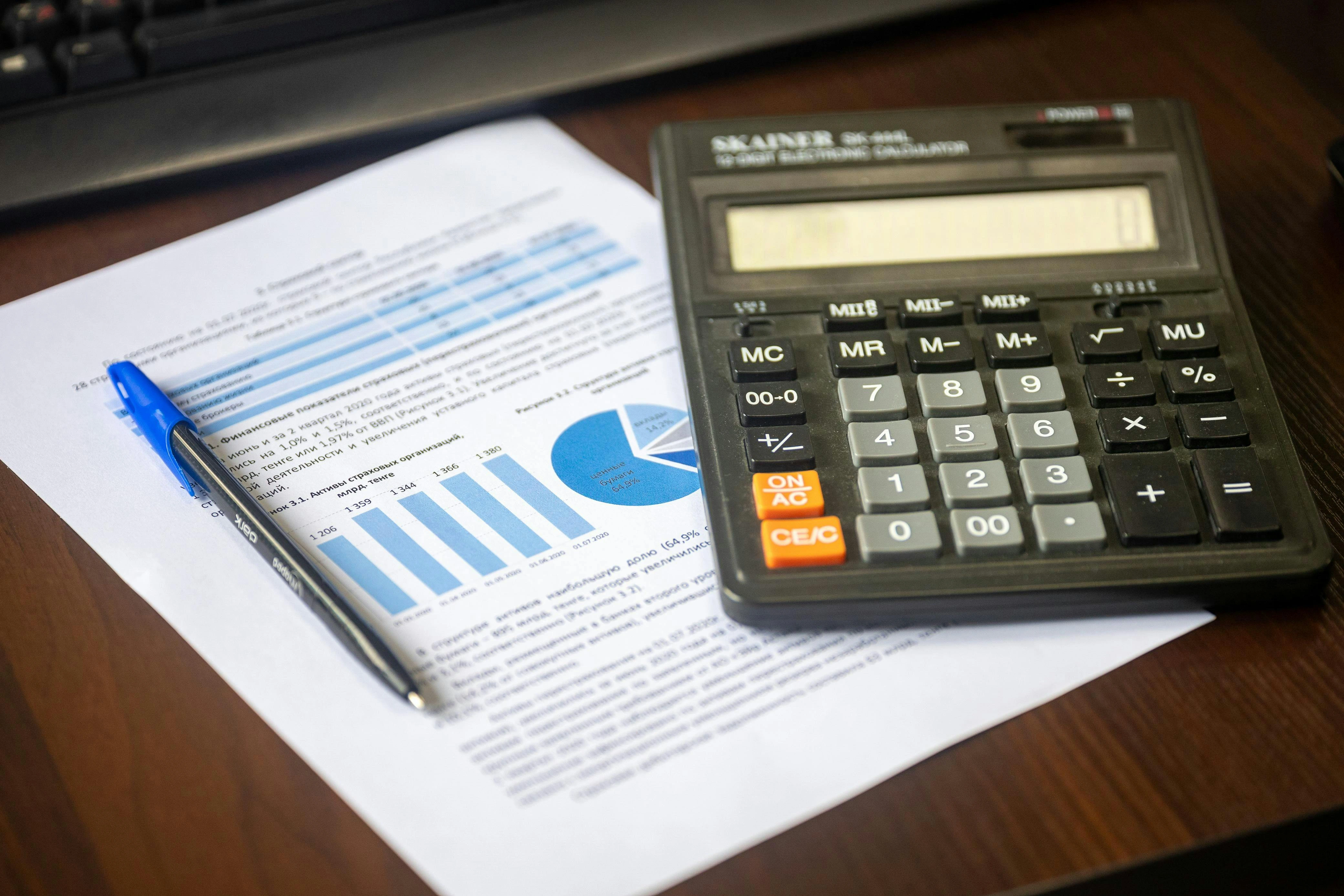
Helpful Tool: Use this Certification Cost Calculator to input your specific numbers and see a personalized total cost estimate.
At Examvest, we offer comprehensive CMA prep tools designed to minimize retakes and maximize your study efficiency, easing both financial and emotional burdens.
Final Word from Experience
Having guided hundreds through certification journeys, I recognize that cost is just one part of a deeply personal equation. Neither CMA nor CPA is universally “cheaper” when you consider the total investment — time, money, and mental bandwidth.
The CMA often emerges as more affordable upfront, especially for those targeting management roles, but the CPA holds broader recognition in public accounting and auditing. Tradeoffs are inevitable.
I encourage you to take one small, deliberate step today: map your career priorities and financial realities before plunging in. That clarity will transform an overwhelming cost decision into a strategic investment.
Related Internal Links
- How to Prepare for the CMA Exam in 2025: Strategies That Work
- Top Paying Industries for CMAs in 2025: Where to Focus Your Career
Authoritative External References
- Institute of Management Accountants (IMA) – CMA Certification Facts
- American Institute of CPAs (AICPA) – CPA Exam Information
From the Author’s Desk
I remember when I first helped a young finance professional untangle this cost maze — their relief when clarity arrived was unforgettable. It’s not just about dollars; it’s about reclaiming control of your career journey.
“The cost of a thing is the amount of what I will call life which is required to be exchanged for it.” — Henry David Thoreau
If you want to talk through your specific situation, reach out or check the Examvest CMA prep resources designed to support your success.